Something that becomes quickly apparent when roaming the new Lucas Museum of Narrative Art is that the placards accompanying the pieces are quite sparse. They give the name of the work, the artist, the year, and the medium. Nothing more, unless the work is on loan then in says where from. But there’s no explanation of the art or artist, no details on the importance of the piece and why it belongs in a museum. Instead it’s all just there.
It feels a radical choice for an art museum to make. The Lucas Museum is not going to educate you on why this art is important enough to warrant inclusion in the collection, nor is it going to explain the artistic process or offer an interpretation of the work . This could feel like a dereliction of a museum’s duty of educating the public, but at the Lucas Museum, by virtue of its collection, it allows the art speak for itself.
Absent at the Lucas Museum are the usual variety of Renaissance portraits, the abstract pieces (that I often love so much), and myriad paintings of Jesus and saints. Instead there are plentiful works by Norman Rockwell, a painting of dogs playing poker, and a Spider-Man splash page by John Romita Jr. Since the placards offer no explanation, you won’t be told why Romita Jr. is important to comic book art – all you know is that it is art in a museum and, therefore, Art with a capital a.
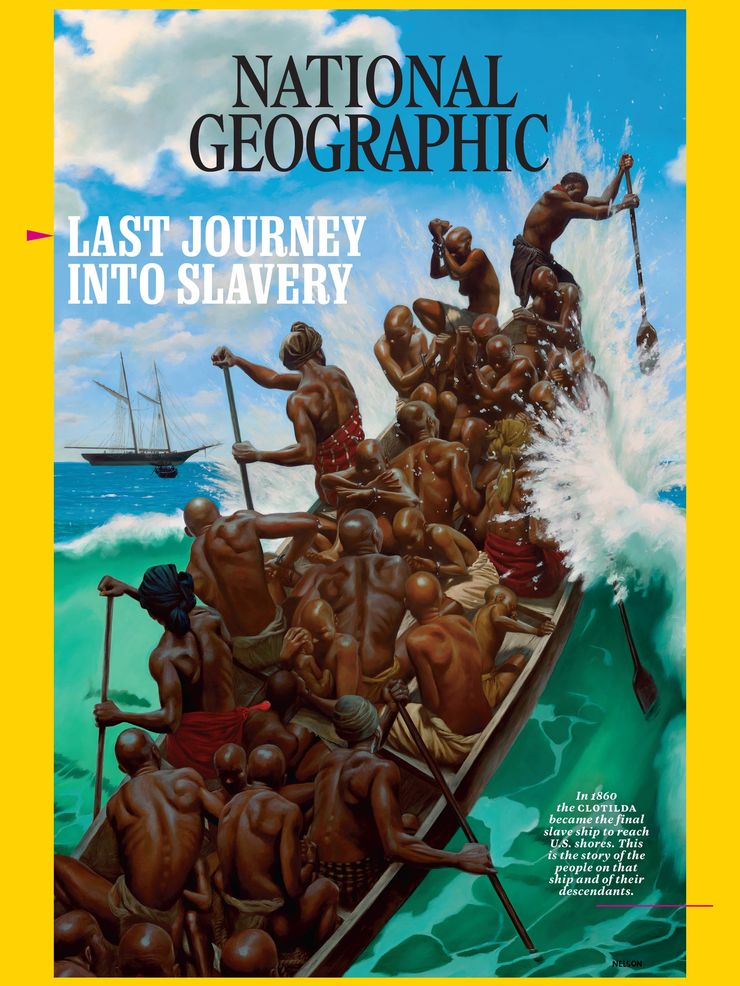
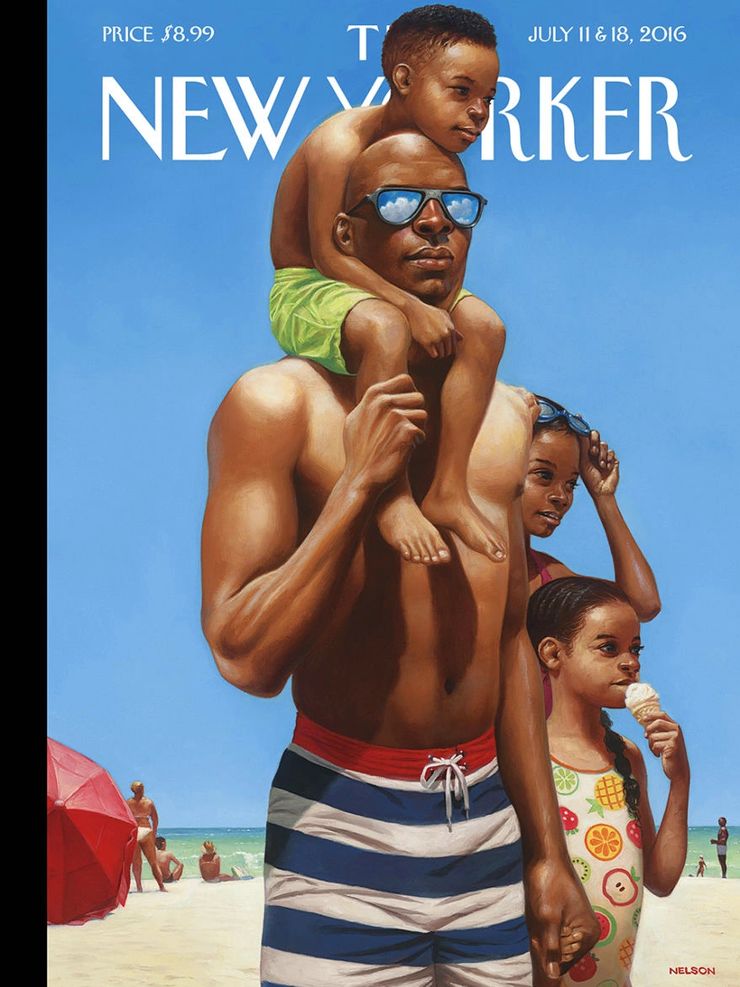
Thus the Lucas Museum invites the viewer to engage with art as if it were Art, no matter its origin. Kadir Nelson’s paintings are absolutely breathtaking in person, but I would never have known they were originally illustrations for National Geographic and The New Yorker had I not looked him up. There is no demarcation between fine art and commercial art here – everything is treated the same no matter if it’s the illustration of an RPG rule book, a painting of a space ship, or a drawing by Pablo Picasso (of which there are at least two).
So when you see original Peanuts strips by Charles Schulz you’re invited to look at it the same way you would a Rembrandt, observing at how it’s put together. Original illustrations by E.H. Shepard for A.A. Milne’s Winnie the Pooh are on display alongside illustrations for Babar and Maurice Sendak’s art from Where The Wild Things Are. These illustrations, the Lucas Museum says, are as much art as the van Gogh in its collection and worthy of the same respect. So look closely at the artistry and consider the work that went into its creation.
And the art on display is truly eclectic. Wander the museum’s gallery and you will see original pages from Tintin, Persepolis, and Alison Bechdel’s Fun Home. There is a sketch of Hellboy by Mike Mignola where you can see the faint pencil alongside the final inks. An entire wall is devoted to a manga, each page given a frame and space unto itself because each page is a work of art unto itself even if you cannot read the speech bubbles. Sections are devoted to the paintings that are made for science-fiction and fantasy book covers, the only hint to their commercial origins the negative space left for a title, author, and blurb. These images may be familiar, but in this context they are transformed into something more.
By consciously forgoing placards that explain the art and choosing to display art that would usually not be featured in an art museum, the Lucas Museum makes a declaration about what art is. Art is the comics in a newspaper, art is the illustrations of a children’s book, art is the cover of a magazine. This art is on display and now it is up you to decide why it is there and what it means to you.